
Keith McCaffery
1939 –
Inducted 2026
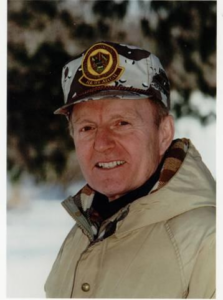
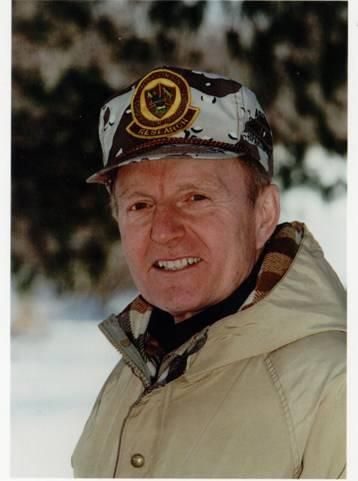
Keith McCaffery was nominated for the Wisconsin Conservation Hall of Fame for his extensive contributions to deer management and conservation in Wisconsin. McCaffery has dedicated his career to the science-based management of Wisconsin’s deer population, significantly impacting conservation practices. His research established the significance of summer deer habitat to winter survival and productivity, influencing management practices nationwide.
The new focus on deer summer range especially changed habitat management priorities in the upper Midwest. He developed values for specific forest types and guidelines for defining management goals for forest composition. He became a builder and principal apologist for Wisconsin’s deer population monitoring and harvest management system. He has authored 100 professional reports and publications and 58 popular articles on deer management.
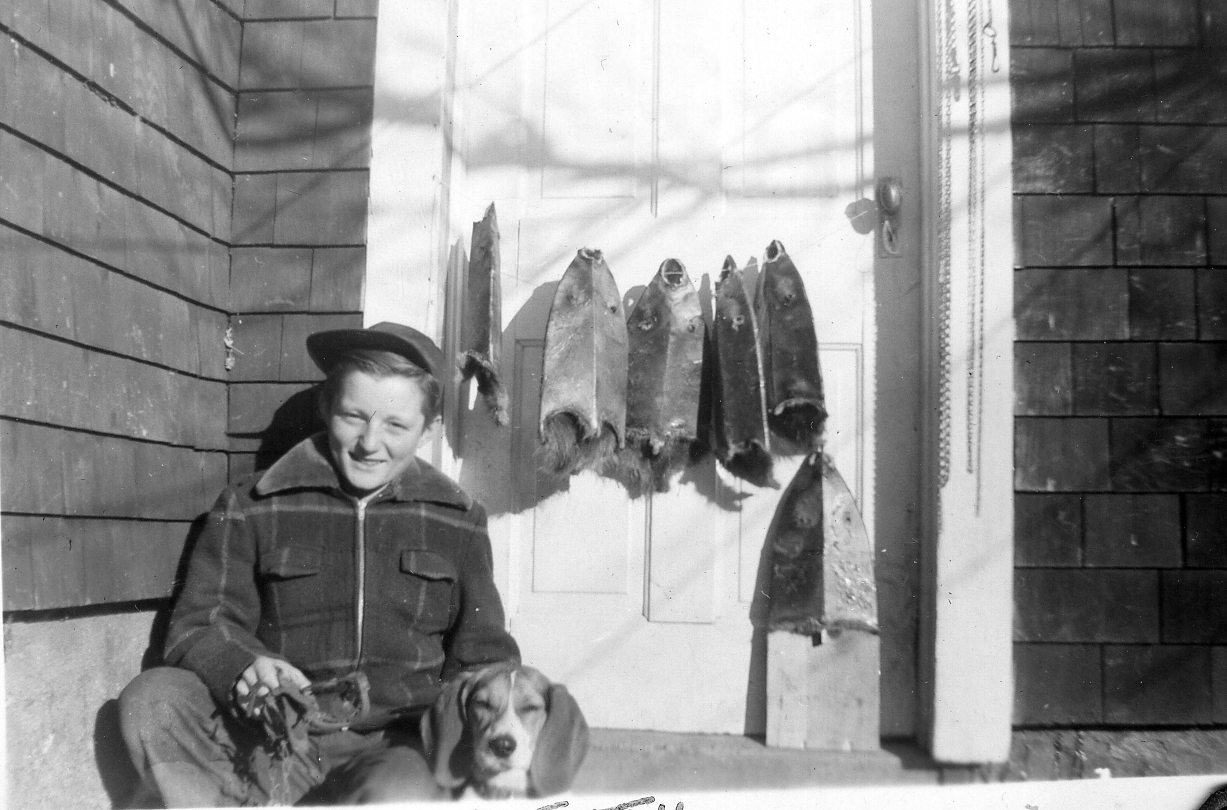
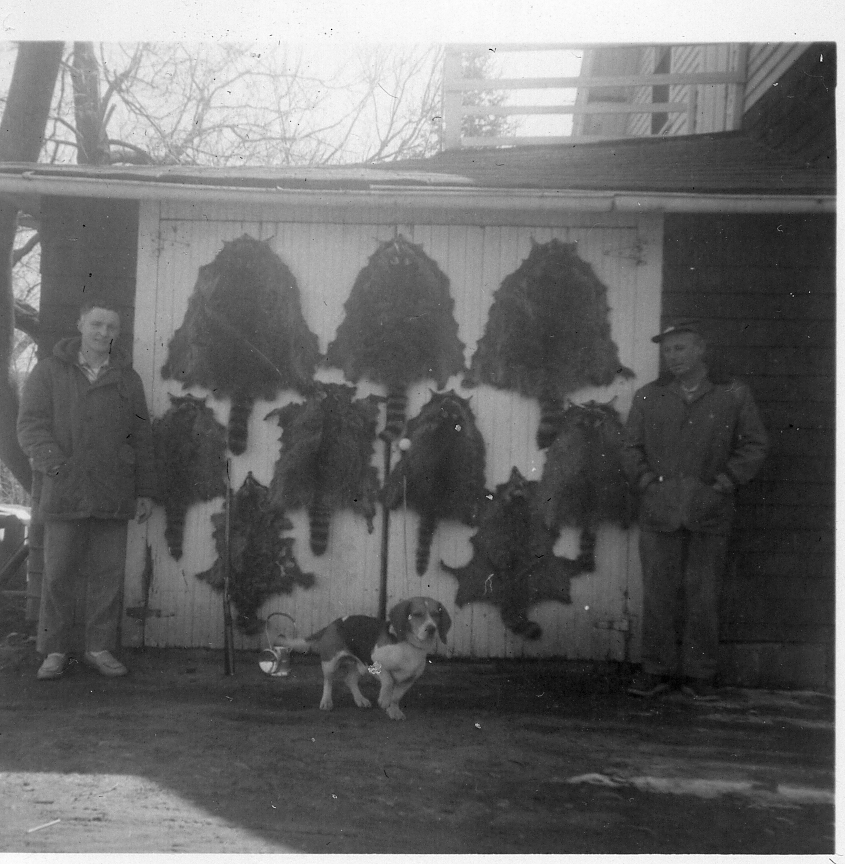
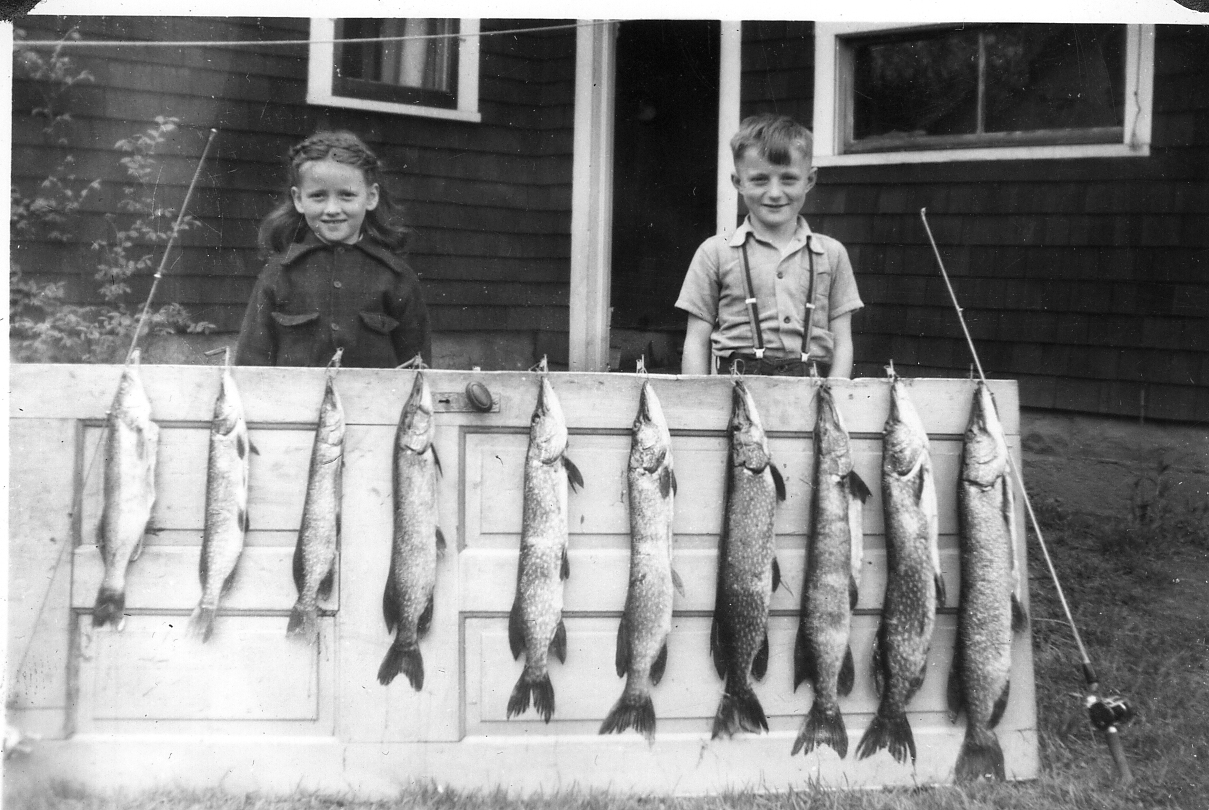
Keith’s formative years and education laid the foundation for his lifelong commitment to conservation and wildlife management. He was born in Stanley, WI, with early exposure to nature through local lakes and woodlots and family hunting and fishing. He helped raise 1,400 pheasants for a local Rod & Gun Club at age 11, trapped muskrats while in junior high, and worked on a farm for portions of two years while in high school. He was the only “city kid” in the agriculture class, his freshman year. His dad was also active in conservation committees in Chippewa County and often assisted local Conservation Wardens.
Keith was active in the Scouting program from Cub Scouts to Explorer. He was active in high school activities, including band and student council, and developed a passion for science. He was the president of the Luther League at his church. He attended St. Olaf College and the University of Minnesota, earning a B.S. and master’s in forestry with a minor in wildlife management. He was active in extracurricular activities, including Crack Drill Squad, Skating Club, and Rifle Team at St. Olaf, Forestry Club, and VP of U of M Archery Club. He served in the Army National Guard, attended Wisconsin Military Academy, and was a detachment commander in the National Guard 724th Engineers.
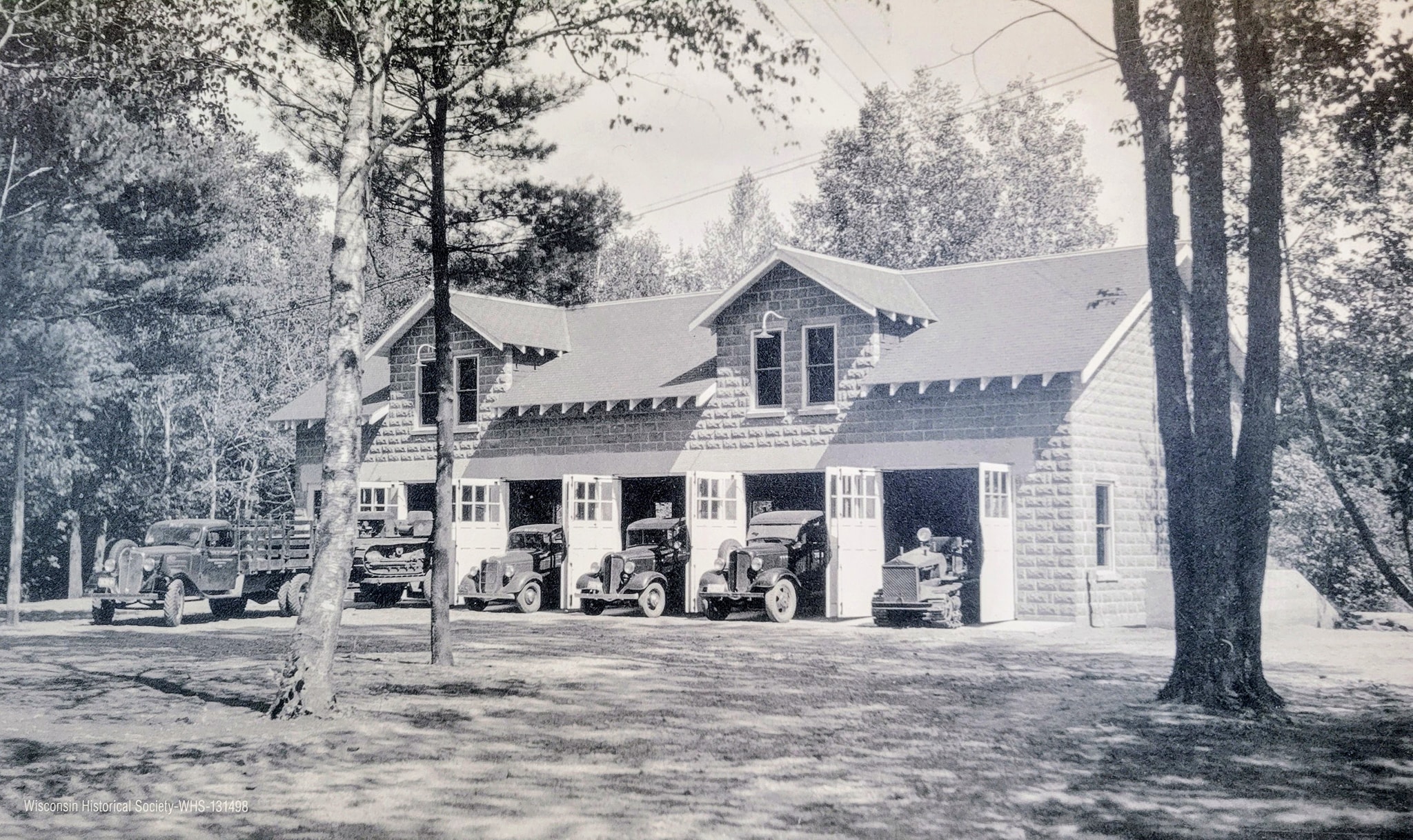
Keith’s professional career focused on deer management, leading to significant advancements in wildlife conservation practices. He began his career in 1963 with the Wisconsin Conservation Department, focusing on forest cover types and deer relationships. He developed deer population monitoring methods and oversaw statewide surveys on deer demographics. He also served as Forest Wildlife Research Group Leader and retired as State Deer Biologist in 2000 after 37 years.
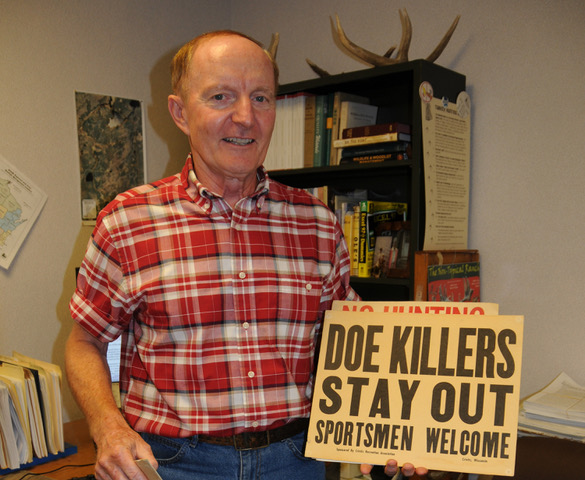
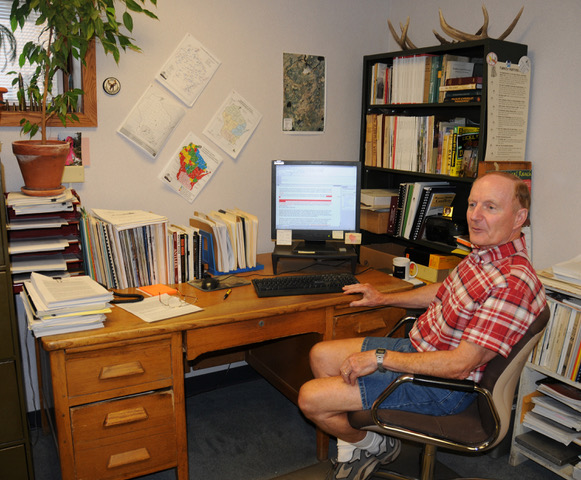
Keith continued to contribute to conservation efforts even after retirement, demonstrating his commitment to wildlife management and public service. He volunteered as a deer expert for the DNR for 20 years post-retirement, maintaining office hours and assisting with research. He authored numerous articles and provided public education on deer management. He also engaged in community service, including serving on the Rhinelander City Tree Board.
Keith’s work has had a profound impact on deer management policies and practices, benefiting both wildlife and the economy. His research led to sustainable deer harvests exc
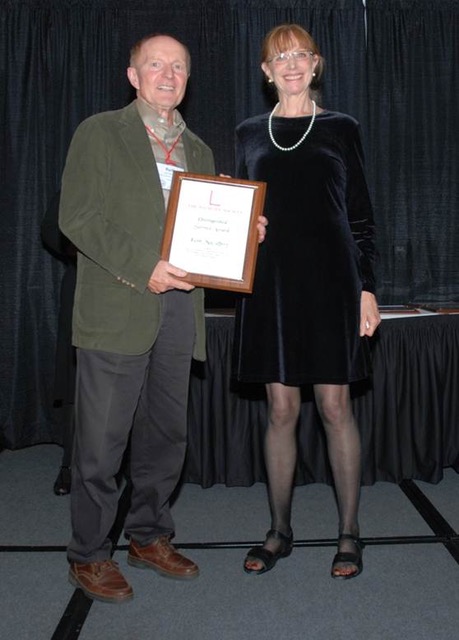
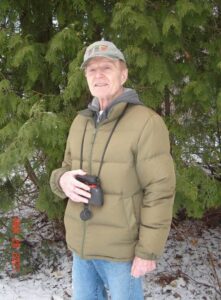 eeding 200,000 annually, generating $25 million in license sales. He contributed to a joint publication effort that became the first long-term deer management policy in the U.S., influencing wildlife management goals well into the future. He was recognized for his contributions with multiple awards from DNR management bureaus, and outside groups, including a unique commendation from the Assembly Natural Resources Committee and a Distinguished Service Award from The Wildlife Society.
Keith’s nomination is supported by peers who recognize his significant contributions and leadership in deer management. Dr. Scott Craven, a Wisconsin Conservation Hall of Fame inductee, highlights the challenges of deer management roles and Keith’s ability to educate and lead in a politically charged environment. Dennis Voigt, Scientist Emeritus, Wildlife Research and Development, Ontario Ministry of Natural Resources, said, “Keith was like the CEO of all the deer researchers and managers in the Midwest. His experience was exhaustive, and yet he was always humble about his knowledge. His long-term data record was the envy of all.”
Keith McCaffery significantly contributed to the development and success of Wisconsin’s deer management program, earning recognition for his expertise and dedication. Wisconsin’s deer herd is valued at over a billion dollars, factoring in hunting, viewing, and meat supply. McCaffery focused on deer population dynamics, movements, and herd health throughout his career. He worked on forest habitat management for various species, including grouse, and was known for his strong work ethic and sense of responsibility.
McCaffery is highly regarded in the conservation community for his extensive work and influence in wildlife management. He was a charter member of the Wisconsin Chapter of The Wildlife Society (TWS) and served as President in 1976. He also served as an officer of the Midwest Section of TWS. In 2001, he received the Wisconsin Award for significant contributions to wildlife management. McCaffery authored numerous issue briefs and advocated for forest regeneration and sustainable management practices. His research and techniques in population estimation and habitat assessment have been pivotal in establishing Wisconsin as a leader in deer management.
McCaffery has played a crucial role in mentoring young wildlife biologists and educating the public about deer management. He shared his knowledge and experience with graduate students and professionals, emphasizing the importance of scientific data in wildlife management. McCaffery’s professional habits and principles have influenced many in the conservation field, including unwavering devotion to deer health and commitment to evolving science. He has been a reliable leader in TWS and actively participated in discussions on deer management policies.
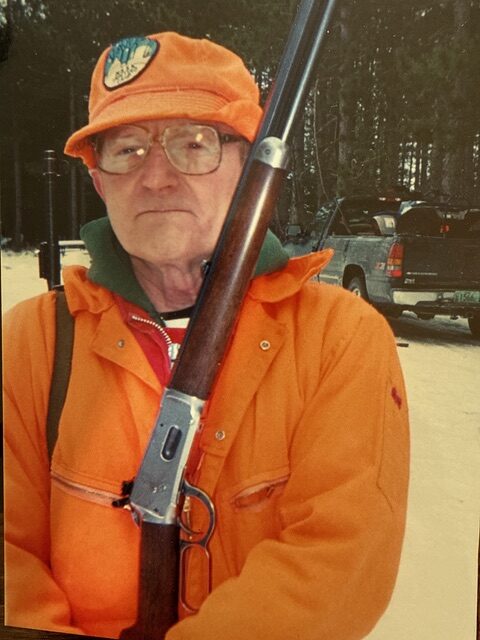
McCaffery’s legacy in deer management continues to influence current practices and policies in Wisconsin. He is recognized as the living institutional memory of Wisconsin’s deer management programs, with detailed recollections of hunting seasons and management strategies spanning over three decades. Recent discussions among County Deer Advisory Committees often reference McCaffery-era management practices, indicating his lasting impact. Despite retiring from his volunteer role, he remains active in deer hunting and conservation advocacy and continues as a member of TWS and Wisconsin Green Fire, demonstrating his ongoing commitment to wildlife management.
Reviewing their life together, Keith said, “I met Josie during Freshman Week at St. Olaf College, and it stuck. As of this year, we have been married for 64 years. She helped in the field with some of my early habitat studies (when that was permitted), and we have since raised two children who are now on opposite coasts (CT and CA). We are both active in our church congregation. Josie has been a part-time office secretary, teacher, committee chair, choir member, and women’s group leader.
I have been the congregation secretary and president multiple times, choir member, lay liturgist, communion deacon, and lesson reader. I am currently on the City Tree Board and Vice Chair of a county political group that favors public education, the environment, and social justice. Josie has been a great partner and has enabled me to do what I’ve done and hope to continue to do. I couldn’t have it any better.”












RESOURCES:
Keith McCaffery, DNR deer expert, joins Wisconsin Conservation Hall of Fame: Channel 12 News, April 24,2026
A Rhinelander man devoted nearly six decades to deer management in Wisconsin. This year, he’s being inducted into the Conservation Hall of Fame; reddit, wxpr April 9, 2026
D&DH Contributor Makes Hall of Fame; article. Jan 19, 2026
Wisconsin’s Keith McCaffery: Hunter, Deer Biologist, ‘Horn Porn’ Crusader; article. Aug 29,2025